Regional Platform Programme
The official agenda for the Regional Platform is now available for participants to visit and download.
- Preparatory Day
Preparatory Day
- Day 1
Day 1
- Day 2
Day 2
- Marketplace
Marketplace
Join the Marketplace Exhibition and Discover Innovative DRR Initiatives!
Explore a diverse showcase of DRR initiatives presented by leading organizations, each highlighting their latest projects, research, and strategies to build safer and more resilient communities.
Location: Exhibition Area
Marketplace Opening Hours:
- 6 November: 09:30 - 15:30
- 7 November: 09:30 - 17:30
- 8 November: 09:00 - 13:00
Exhibitors
Disaster Preparedness and Prevention Initiative for South Eastern Europe (DPPI-SEE): Presenting a comprehensive portfolio of DRR projects and case studies, emphasizing regional collaboration aligned with the Sendai Framework.

Ministry of Interior of Montenegro (Rescue and Protection Directorate): Showcasing key initiatives to enhance Montenegro’s national resilience and preparedness for disaster scenarios.
Japan International Cooperation Agency (JICA): Sharing insights on capacity-building projects in the Western Balkans, with a focus on the National Forest Fire Information System and its role in risk management.
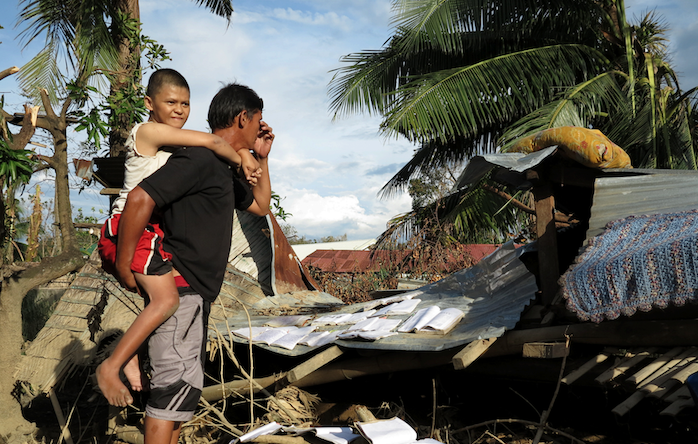
Christian Blind Mission (CBM): Offering practical tools and examples on implementing disability inclusion and community engagement in DRR, grounded in Sendai Framework principles.

Council of the Baltic Sea States (CBSS): Highlighting the transnational “Secure Kids” project, which fosters child participation in DRR activities and strengthens community resilience.
CDP: Presenting key findings from their latest report on cities’ resilience and readiness to address climate-related disasters.
United Nations Development Programme (UNDP): Showcasing ongoing DRR initiatives and regional projects from the Europe and Central Asia portfolio, driving sustainable development through risk reduction.
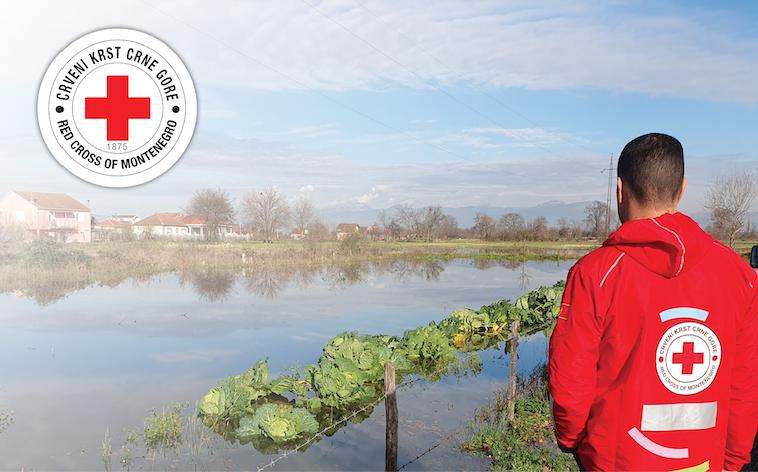
Red Cross Montenegro: Demonstrating the impact of first-aid training and preparedness activities aimed at empowering communities to respond effectively to emergencies.
United Nations Office for Disaster Risk Reduction (UNDRR): Showcasing successful practices from the MCR2030 initiative, which supports municipalities in building disaster resilience.
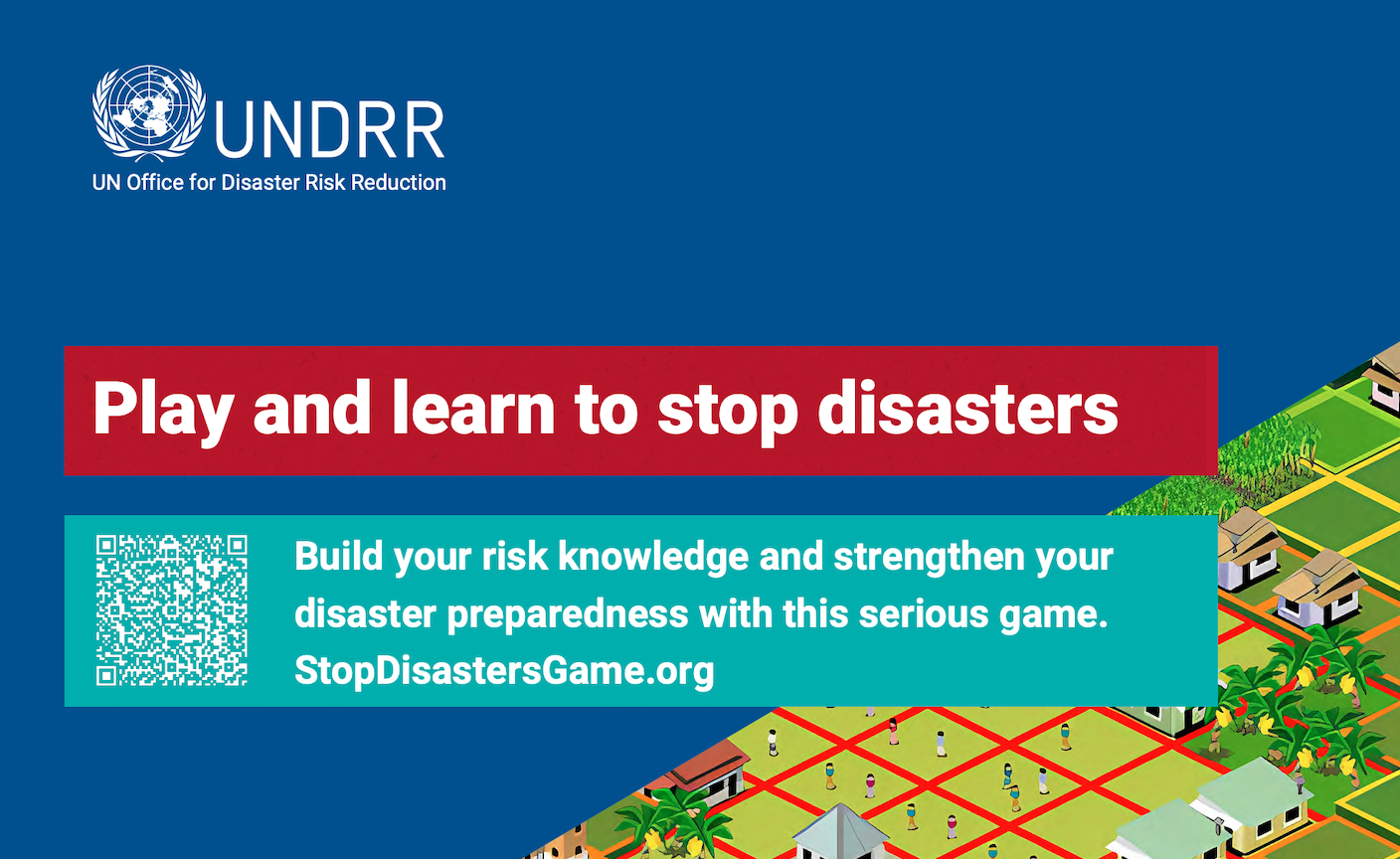
United Nations Office for Disaster Risk Reduction (UNDRR): Featuring the “Stop Disasters Game” and other educational tools from PreventionWeb to promote a deeper understanding of risk reduction concepts.
MEDiate Consortium Presenting the Horizon Europe MEDiate project, which leverages a multi-hazard and risk-informed system to enhance local and regional disaster risk management.
European Space Agency (ESA): Presenting how space-based technology is and can be used to enhance the toolbox of disaster risk reduction. In particular, how innovations across geospatial analysis and resilient satellite connectivity can support preparedness and response to disasters.
UCPM Consortium: Highlighting the SAFE-LAND project, which uses Trustworthy Artificial Intelligence (TAI) to estimate hydrogeological risk levels, providing a transformative approach to risk analysis.
World Meteorological Organization (WMO): Presenting the Climate Risk and Early Warning Systems (CREWS) initiative, aimed at enhancing forecasting capabilities to support community preparedness.
Stakeholder Engagement Mechanism (SEM): Providing a platform for stakeholders to present their DRR approaches, share experiences, and foster diverse knowledge exchanges.
Interactive Sessions:
- 7 November (9:30 - 10:30): European Commission involvement in youth and children inclusion into DRM
- Ignite Stage
Ignite Stage
Discover Innovations and Best Practices in Disaster Risk Reduction

The Ignite Stage offers a dynamic platform for organizations to present their projects, tools, and initiatives in disaster risk reduction, climate change adaptation, and resilience building. This stage complements the main sessions of the Regional Platform by showcasing a wider range of topics, encouraging deeper engagement, and providing opportunities for participants to connect with innovative ideas.
Location: Exhibition Area
Join us for in-person Ignite Stage presentations, scheduled as follows:
6 November: 13:00 – 14:00

Integration of Localised Disaster Risk Assessment Approach as a Basis for the Further Improvement of the Effectiveness of National Disaster Risk Management in the Kyrgyz Republic
Presented by: WFP Kyrgyzstan.

The Human-Tech Nexus: Art as a Driving Link
Presented by: Climate Service Center Germany (GERICS).

Inclusion and Participation: Local Strategy for Resilience in the Municipality of Amadora
Presented by: Municipality of Amadora.
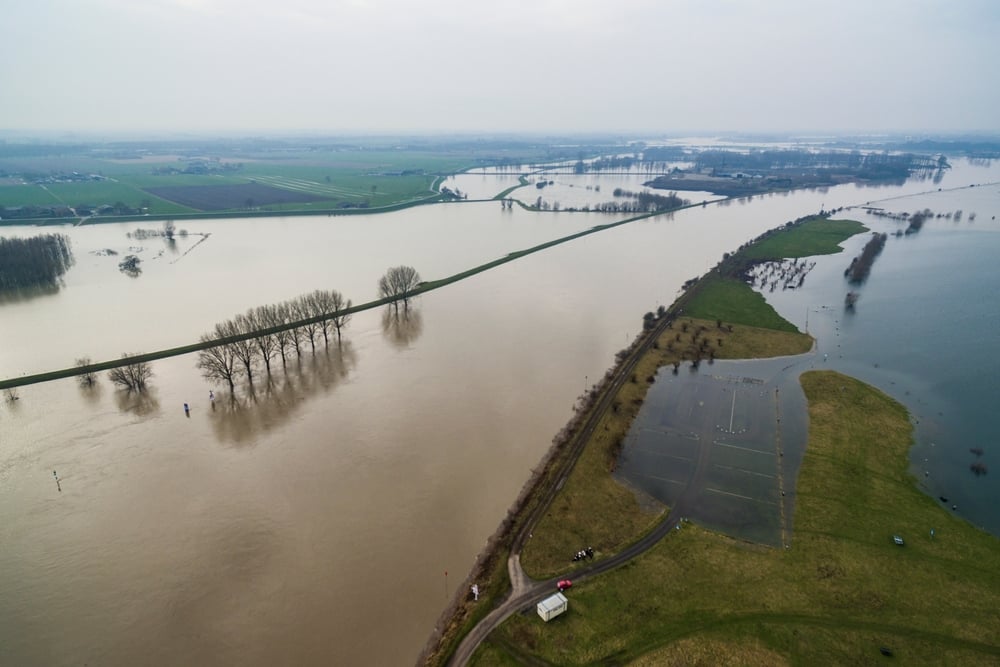
Strengthening Integrated Transboundary Cooperation for Disaster Risk Reduction and Climate Resilience in WB Transboundary River Basins
Presented by: Water Resource Management Agency of Albania, UNDP Regional Hub.

Nature-Based Solutions for Disaster Risk Reduction in the West Balkan Region
Presented by: JICA.
7 November: 14:45 – 15:00

Integrating Multilevel Governance in Disaster Preparedness: A Case Study from Belgium
Presented by: National Crisis Center – Belgium.

Just Resilience in Montenegro
Presented by: UNDP and Ministry of Interior of Montenegro.
7 November: 16:00 – 16:15
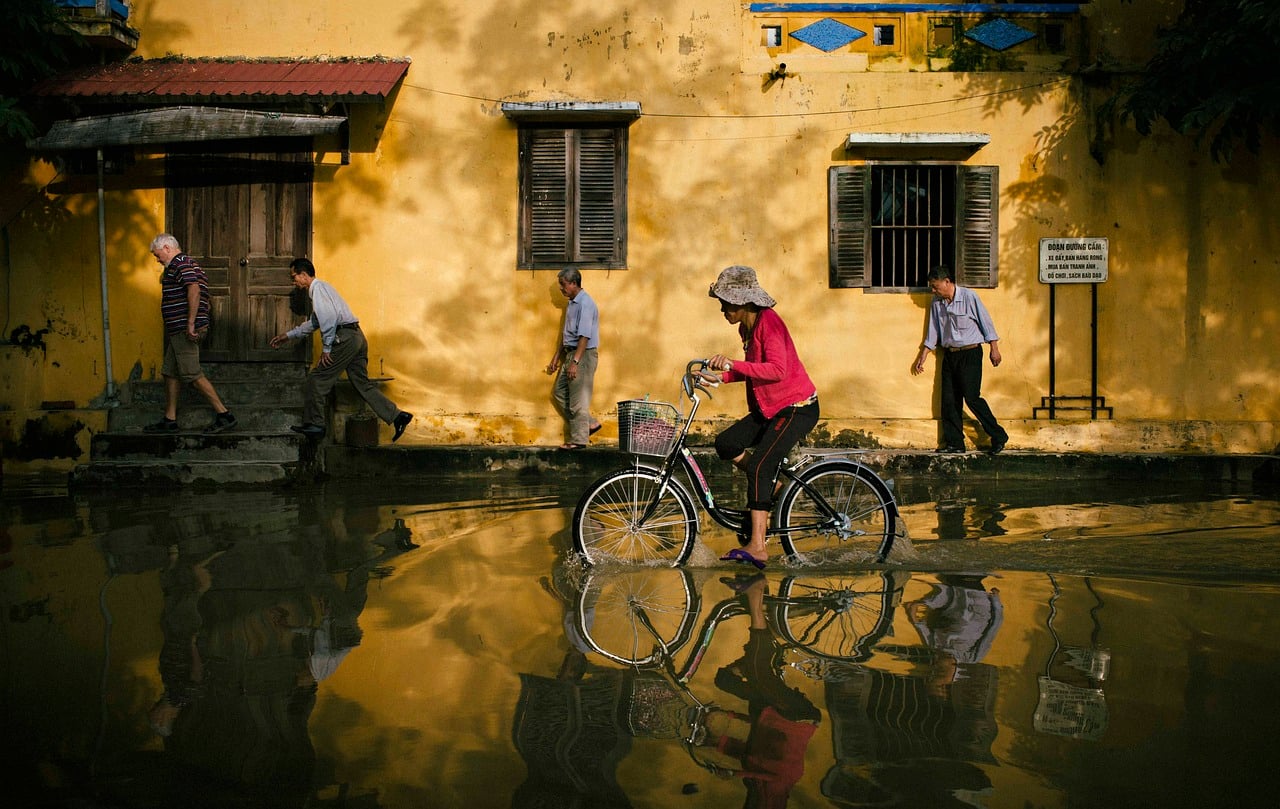
Forecasting Flooding and Impacts, Shaping Futures: A Global Toolkit for Societal Impact Assessment and Emergency Preparedness
Presented by: Deltares.

Innovative Approaches to Disaster Risk Reduction for Local Communities in the Central Asian Region
Presented by: Bir Duino Kyrgyzstan with GNDR.
8 November: 11:30 – 11:45
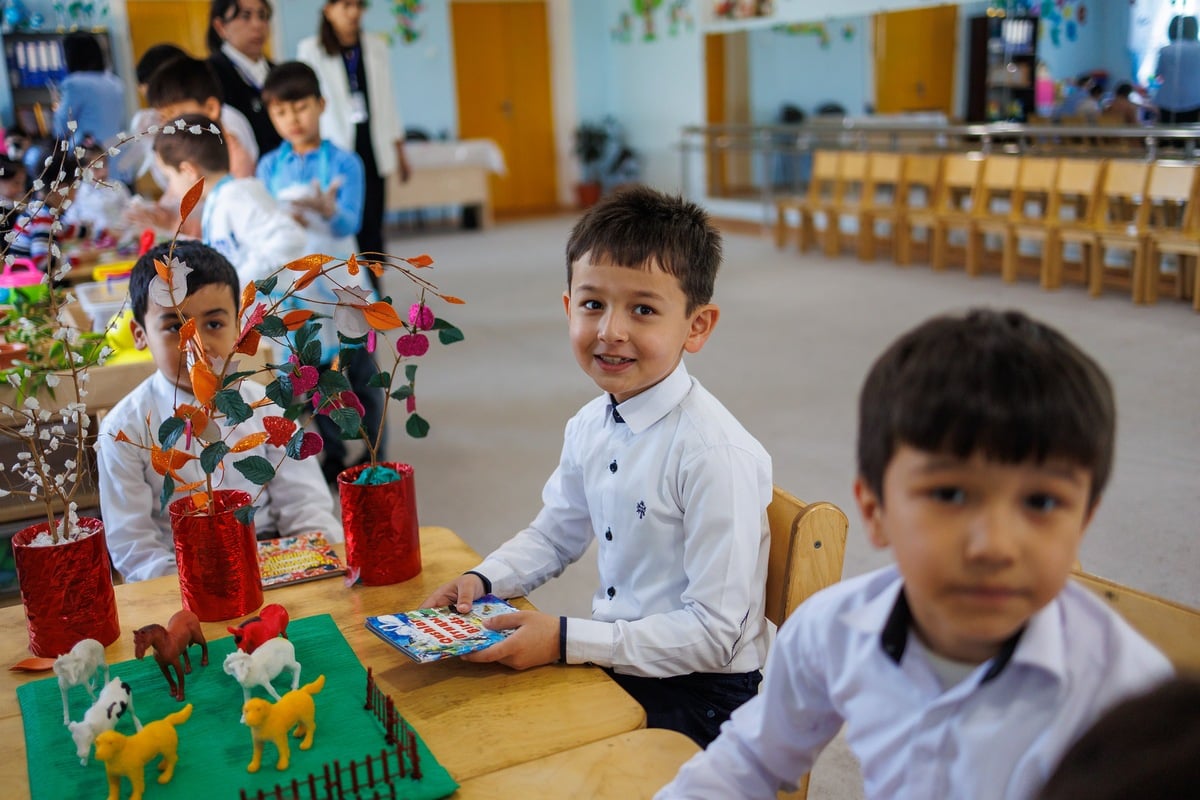
Safer Schools, Safer Children
Presented by: UNICEF.
Online Ignite Stage Presentations
Discover inspiring projects and insights on DRR from organizations around the world. Watch the online presentations HERE.
The “Safe Village, Safe People” Programme
Presented by: Portuguese Civil Protection.
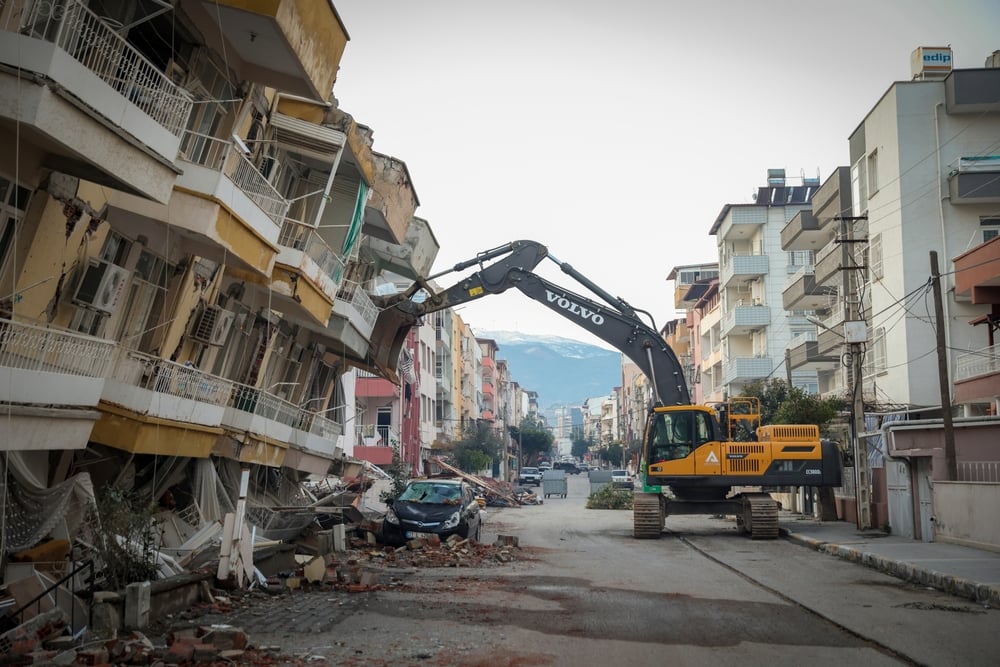
Revitalizing Critical Urban Infrastructure in Earthquake-Affected Provinces in Türkiye
Presented by: GIZ (Turkey).

Feel Safe: An Innovative Tool to Promote DRR Digital Education and Experiential Learning
Presented by: Save the Children Italy.
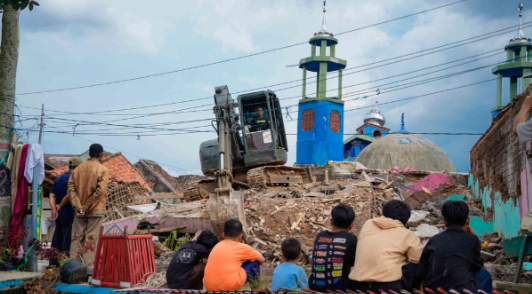
Support to displaced people in disasters: Challenges and Opportunities
Presented by: Portuguese Civil Protection.
Nature-Based Insurance Solutions: Engaging Private Finance for Ecosystem Restoration
Presented by: Euro-Mediterranean Centre on Climate Change.
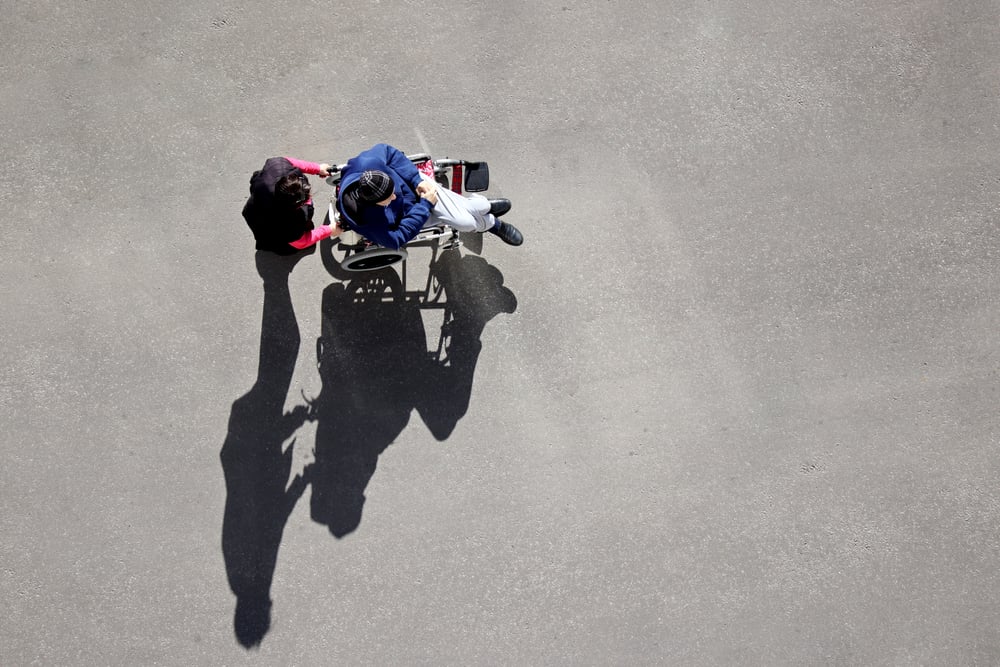
Disability Inclusion in Disaster Risk Reduction and Prevention
Presented by: European Center for Forest Fires (ECFF) & Institute of National Confederation of Persons with Disabilities.

Together, We Can Build Resilience!
Presented by: German Civil Protection.

Localizing Risk-Informed Development through Climate Projections
Presented by: GNDR.
Space for Disaster Risk Reduction: How Satellites and Disruptive Technologies are Transforming Disaster Management.
Presented by: European Space Agency.
Inclusion and Participation: Local Strategy for Resilience in the Municipality of Amadora
Presented by: Municipality of Amadora.
- Online Webinars
Online Webinars
Welcome to the Regional Platform Webinar Series!
The Regional Platform presents a series of impactful webinars aimed at fostering greater collaboration and shared learning across diverse sectors involved in disaster risk reduction and climate adaptation. These sessions will highlight promote innovative risk management practices, and emphasize inclusive and effective strategies for building resilience.The 1-hour webinars will take place on 6 November 2024 from 10:00 to 16:00 CET.
Euro-Mediterranean Center on Climate Change (CMCC) – Transformative Changes for Effective Risk Governance
Time: 10:00This session will explore recent initiatives on risk governance, spanning different sectors and organizational levels. CMCC aims to connect the dots between these efforts and disseminate critical findings. Through delving into enabling conditions, participants will gain a deeper understanding of the transformative changes needed to enhance risk governance across the region.
MEDiate Consortium – Multi-hazard and Risk-informed System for Enhanced Local and Regional Disaster Risk Management
Time: 11:00The MEDiate Consortium will present on the importance of adopting multi-hazard perspectives in disaster risk management. This session will focus on the shift away from single hazard approaches and showcase research outcomes that facilitate multi-hazard and risk-informed decision-making in real-world conditions. The webinar will also highlight the role of cross-sector collaboration and civil society engagement in disaster risk management.
GADRRRES – Empowering Children and Youth on Disaster Risk Reduction
Time: 12:00This webinar underscores the critical role of education in building resilience among children and youth. It will delve into the Comprehensive School Safety Framework (CSSF) and share action-oriented case studies that demonstrate how integrating disaster risk reduction into education systems can strengthen community resilience. The organizers of this session will call on governments and organizations to prioritize and invest in implementing school safety measures for a more secure future.
Association Française pour la Prévention des Catastrophes Naturelles et Technologiques (AFPCNT) – Harnessing Synergy: End Users to make Risk-Based Decisions through Civil Society, Scientific Networks, and National Platform across Europe
Time: 13:00The session will focus on the exchange of best practices between civil society and scientific associations to improve risk-based decision-making. Building on a previous event, this webinar will provide a platform for cross-country sharing of concrete tools and research achievements, aiming to foster deeper collaboration with National Platforms on risk governance.
European Disability Forum (EDF) – Inclusive and Impactful: Practical Lessons in Coherent Implementation of Inclusive Disaster Risk Management in Times of Multiple Crisis
Time: 14:00The European Disability Forum will address progress and gaps in disability-inclusive disaster risk reduction in Europe and Central Asia. This session will highlight practical examples and lessons from initiatives led by persons with disabilities, facilitating potential replication by governments and organizations in similar contexts. By emphasizing the involvement of persons with disabilities in disaster risk reduction dialogues, this webinar aims to inspire more coherent and inclusive approaches.
European Scientific & Technical Advisory Group (E-STAG) – Strengthening Disaster Risk Reduction through Science and Policy: A Multi-Level Approach
Time: 15:00The webinar will highlight the role of scientific and technical expertise in shaping disaster risk policies, explore how countries can strengthen DRR implementation through the Sendai Framework aligned with EU policies, facilitate discussions on bridging the gap between science, policy, and practice, and showcase successful case studies and research findings supporting evidence-based disaster risk reduction strategies.